

Phytopin®
Pine-derived β-sitosterol
600 mg/day
Moderate, short-termRandomized β-sitosterol studies reported improvements in symptom scores, peak urinary flow and residual urine; they did not show a relevant reduction in prostate size.
Prostapinol™ combines pine-derived β-sitosterol, rye pollen extract, Pygeum africanum, green tea extract, zinc and selenium. This page separates clinical evidence for lower urinary tract symptoms associated with benign prostate enlargement (BPH/LUTS) from general nutrient functions.
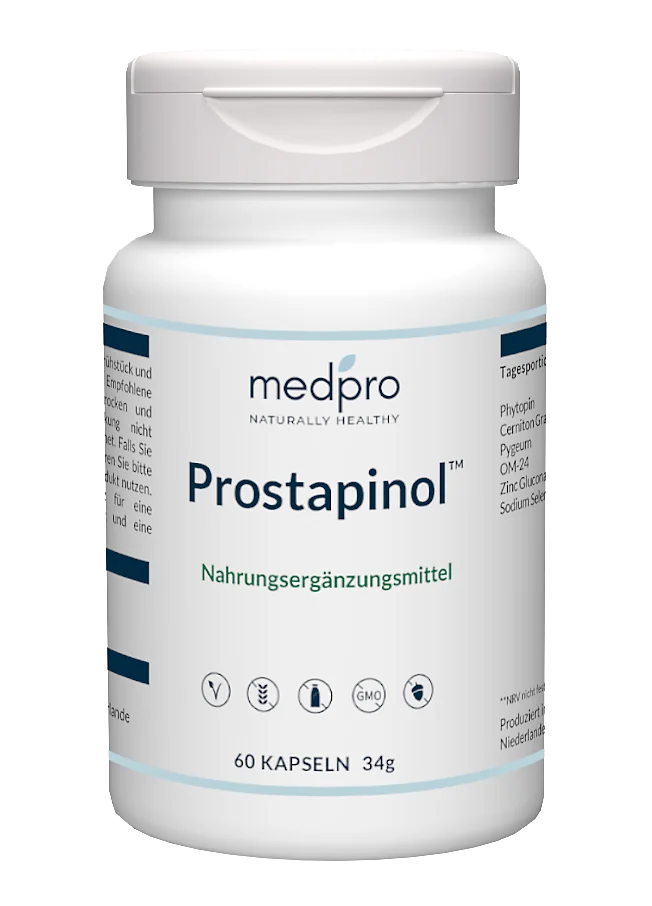
With botanical products, transferability matters: extraction method, standardization and dose can change clinical effects. The EAU guideline explicitly notes that extracts from the same plant made by different manufacturers do not necessarily have the same biological or clinical effects. EAU 2026 ↗
randomized β-sitosterol trials reporting positive short-term outcomes
older controlled Cernilton trials included in a systematic review
randomized Pygeum trials included in an older meta-analysis
Daily amounts are taken from the currently published medpro product page. Evidence ratings refer specifically to BPH/LUTS, not to general antioxidant or nutritional functions.
Randomized β-sitosterol studies reported improvements in symptom scores, peak urinary flow and residual urine; they did not show a relevant reduction in prostate size.
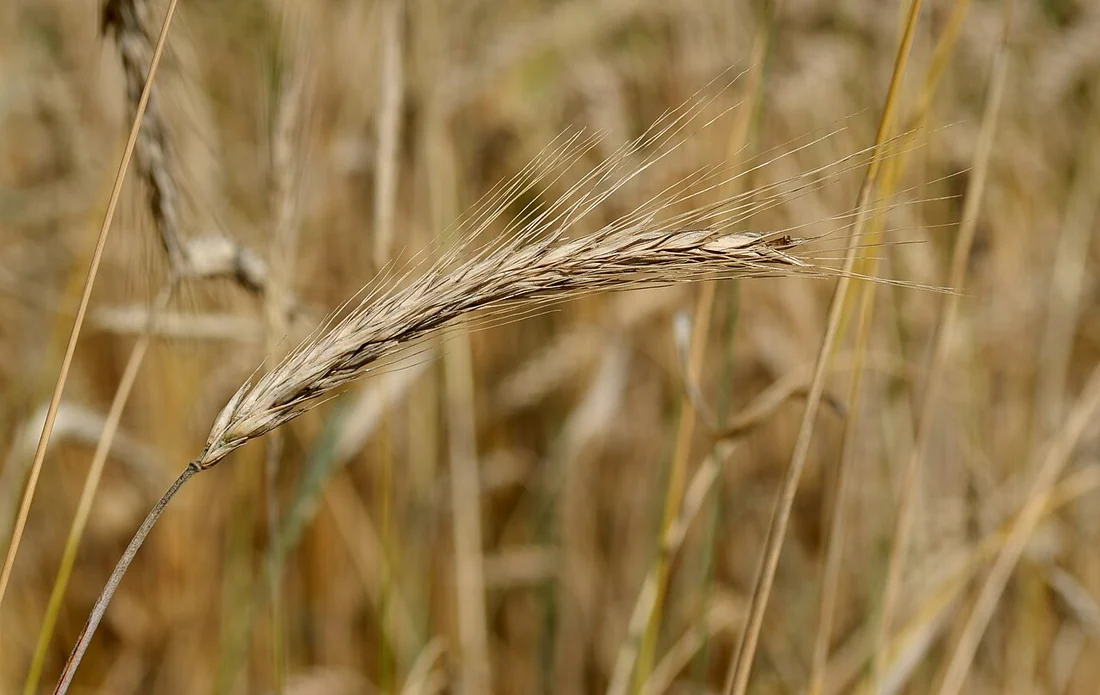
Older controlled studies suggest modest improvements in self-rated symptoms and nocturia. Findings for urinary flow, residual urine and prostate size are inconsistent.
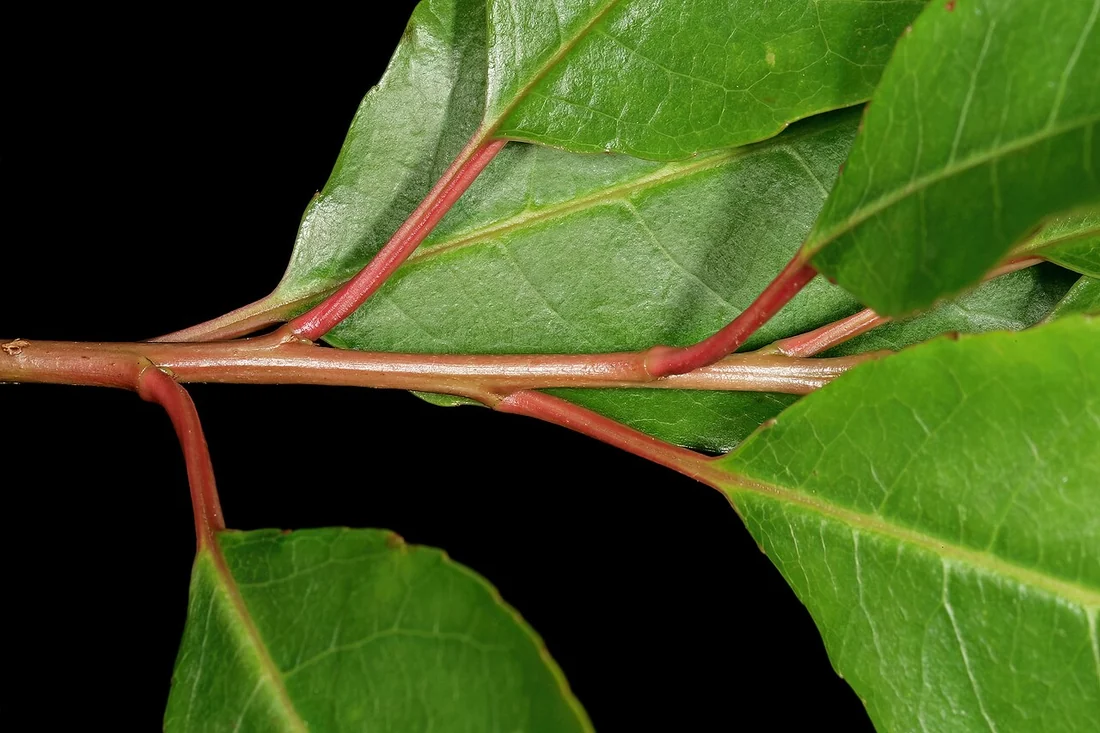
Several older studies report improvements in LUTS and some urinary-flow measures, but study quality, extract standardization and modern transferability are limited.
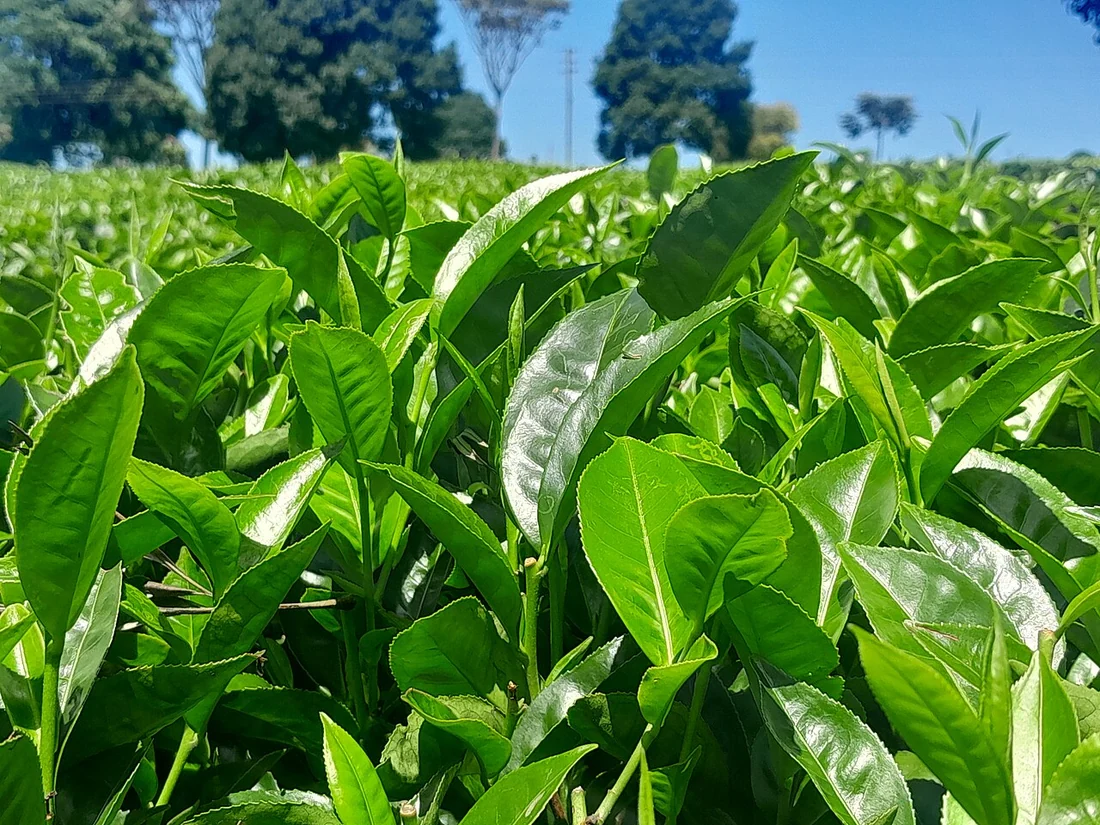
Small trials using other green/black tea or catechin preparations show some LUTS signals, but they are not equivalent to OM-24®. This does not establish efficacy of OM-24® for BPH.
Zinc has recognized physiological roles including maintenance of normal testosterone levels and protection of cells from oxidative stress. These functions do not establish treatment efficacy for BPH.
Selenium contributes to protection of cells from oxidative stress and normal spermatogenesis. This does not amount to clinical evidence that selenium treats BPH/LUTS.
Botanical image credits are available at Image credits.
A concise interpretation of key clinical findings. Most studies are older and used defined preparations; ingredient matching is not a substitute for testing the final formulation.
In a 6-month randomized double-blind trial of 200 men, β-sitosterol improved symptom scores, peak urinary flow and residual urine versus placebo. Prostate volume did not meaningfully decrease. A second multicenter trial reported similar benefits.
Limit: Studied daily doses and phytosterol profiles are not automatically equivalent to 600 mg of Phytopin®.
A 6-month placebo-controlled study in 60 men found more subjective improvement and lower residual urine, but no significant flow-rate advantage. A systematic review of 444 men found modest symptom/nocturia benefits with important methodological limitations.
Limit: Cerniton® Graminex may differ in manufacturing and dose from historical Cernilton preparations.
Older randomized studies and a meta-analysis suggest improvement in urological symptoms and selected flow measures. The evidence base is limited by short duration, heterogeneous preparations and older methodology.
Limit: The EAU lists Prunus africana as a traditional herbal option for LUTS related to BPH after serious conditions have been medically excluded.
Small trials with other tea/catechin formulations reported exploratory or secondary improvements in LUTS, but this is not direct evidence for OM-24® or for reducing prostate volume.
Limit: For supplemental green-tea catechins, EGCG dose matters for safety; EFSA reports potential liver concerns at 800 mg EGCG/day and above.
Both trace elements have established physiological functions, but those functions cannot be translated into a clinical claim for treating BPH/LUTS.
Limit: For selenium, the amount of elemental selenium is what matters. EFSA sets an adult UL of 255 µg selenium/day from all sources.
The 2026 EAU guideline stresses that extracts of the same plant may have different biological or clinical effects depending on manufacturer and extraction method. Results therefore should not be generalized from one preparation to another. EAU Guidelines ↗
New or worsening urinary symptoms should be medically assessed, especially with blood in the urine, urinary retention, fever/pain, recurrent urinary infections, kidney problems or unexplained weight loss. Food supplements do not replace diagnosis or guideline-based care.
Daily serving: 2 capsules. The table reproduces the quantities currently stated on the official product page.
| Ingredient | Daily amount | BPH/LUTS evidence context |
|---|---|---|
| Phytopin® | 600 mg | β-Sitosterol studies exist; transferability depends on standardization. |
| Cerniton® Graminex | 104 mg | Older Cernilton/pollen-extract studies; limited transferability. |
| Pygeum | 100 mg | Older trials used similar daily amounts; extract standardization matters. |
| OM-24® | 300 mg | No direct OM-24® BPH trial identified. |
| Zinc gluconate | 14 mg | Mineral functions do not establish direct BPH efficacy. |
| Sodium selenite | 1 mg | Verify elemental selenium content/NRV against label or specification before publication. |
* Quality-control note: “14 mg zinc gluconate” is not the same as 14 mg elemental zinc, and “1 mg sodium selenite” is not 1 mg elemental selenium. NRV and safety statements should use the elemental amounts from the raw-material/label specification.
The search did not identify a published randomized clinical trial of the finished Prostapinol™ formulation. The evidence shown here therefore refers to individual ingredients or other standardized extracts.
In the cited randomized trials, symptoms and urinary-flow measures improved, while no relevant reduction in prostate volume was demonstrated.
No. Extraction method, standardization, excipients and dose can change biological effects. The EAU guideline explicitly highlights this limitation.
No. Plant extracts and minerals can cause adverse effects or interactions. People taking regular medication, living with chronic disease or having unexplained symptoms should seek medical or pharmacy advice.
For binding information on price, directions for use, current label and availability, please use the official medpro product page.